Every October somebody asks me this, usually half joking. Then they send me the listing. A house with a reputation. A death in the home, a crime years back, or the kind of local story that makes a place “the haunted house” on the street.
So let’s answer it straight: yes, you can get a mortgage on a haunted house. Lenders underwrite value, condition, and your credit. They do not underwrite ghosts.
But there are real things to know before you buy one in Utah, and one of them can actually affect your loan. Here is how it works.
What “stigmatized” means in Utah law
A home with a reputation has a legal name: a stigmatized property. That covers homes tied to a homicide, a suicide, a felony, or a haunting, real or rumored. The event does not damage the house itself. It damages what people think about the house.
Utah law is clear on this. Under Utah Code 57-1-37, failing to disclose that a property is stigmatized is not a material fact that has to be disclosed, and neither the owner nor the agent is liable for failing to disclose it. In plain English: in Utah, a seller does not have to volunteer that the house is “haunted” or that something bad happened there.
One caveat, and it matters. That law removes the duty to volunteer the information. It is not a license to lie. If a buyer asks the seller directly, “Did someone die in this house?”, the seller cannot make up an answer. Ask a direct question and you are owed an honest one.
This is general information about how Utah treats stigmatized property, not legal advice. If you are in the middle of a transaction with real money on the line, talk to a Utah real estate attorney about your specific situation.
What your lender actually cares about
Here is the part most people miss. The risk in buying a stigmatized home is not the ghost. It is the appraisal.
Your loan is based on the appraised value of the home, not the price on your contract. If a home’s reputation scares off enough buyers, it can sell for less than a similar home without the story. Fewer buyers means a thinner market, and a thinner market can mean a lower appraised value. If the appraisal comes in low, you have a gap to cover in cash, a price to renegotiate, or a deal that falls apart. That is a value problem, not a haunted house problem, and it is the same problem you would face on any overpriced or hard-to-comp home.
As for the loan programs themselves: VA, FHA, and conventional guidelines do not bar a loan because a home has a reputation. There is no checkbox on a loan application for “haunted.” What the programs do care about is the physical condition of the property, safety issues, and the value supported by the appraisal. A stigmatized home that is structurally sound and appraised at value finances like any other home.
Utah has a few famous ones
This is not theoretical here. Utah has haunted landmarks people drive across the state to see every October.
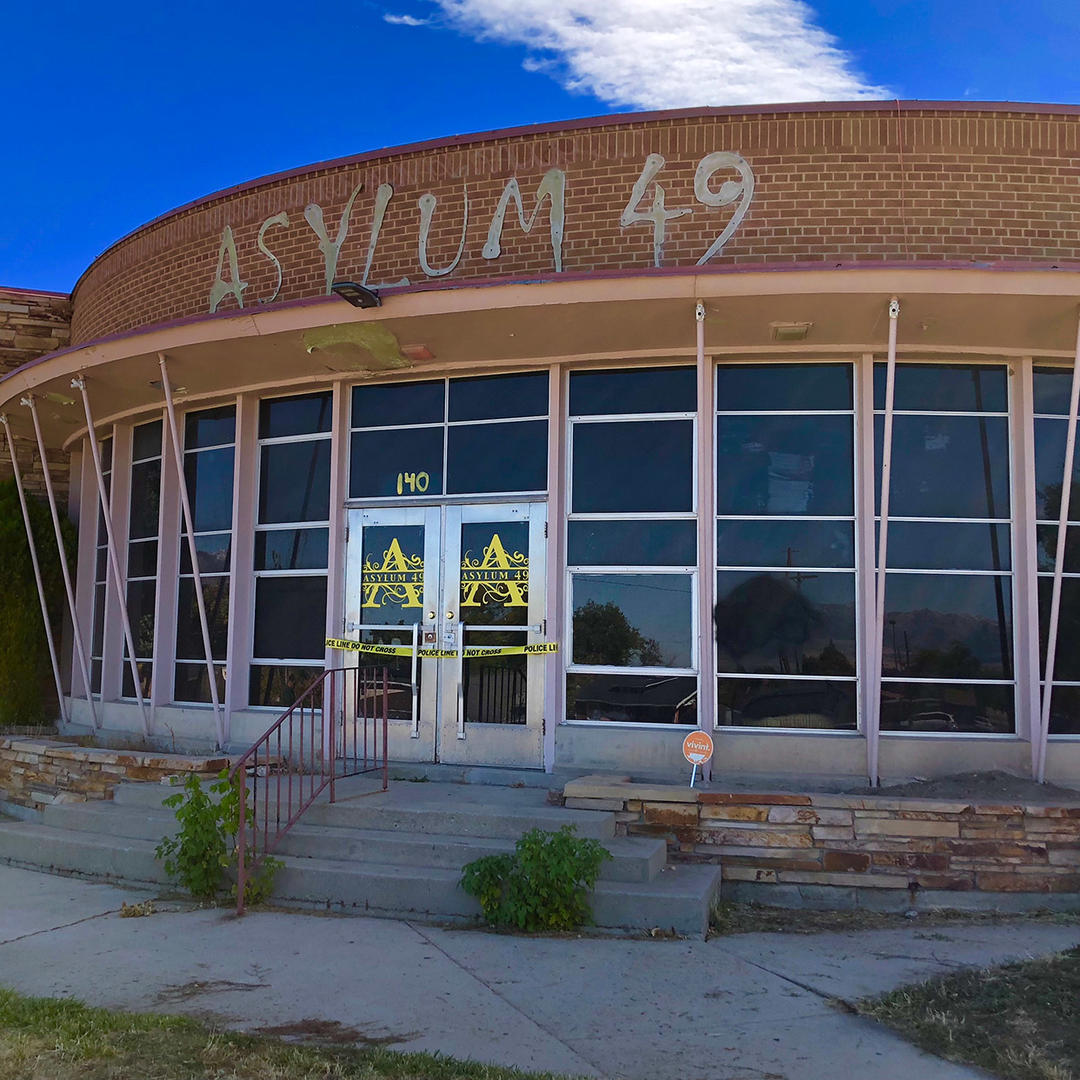
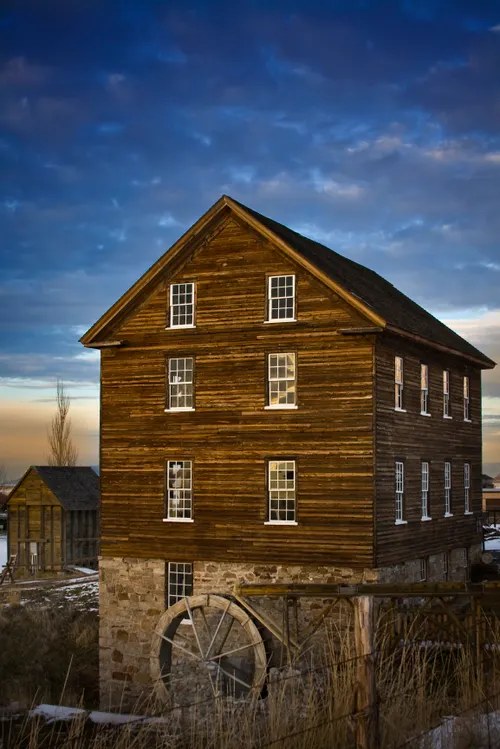
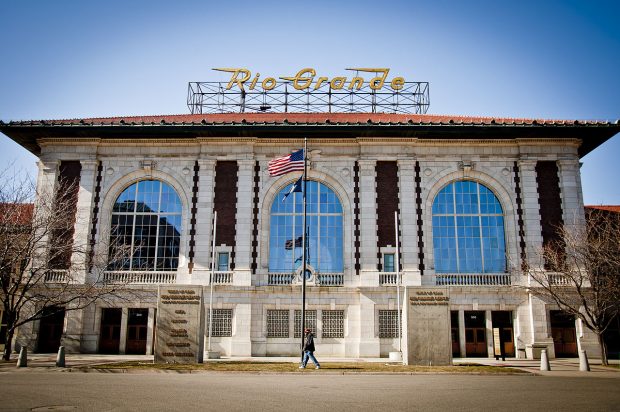
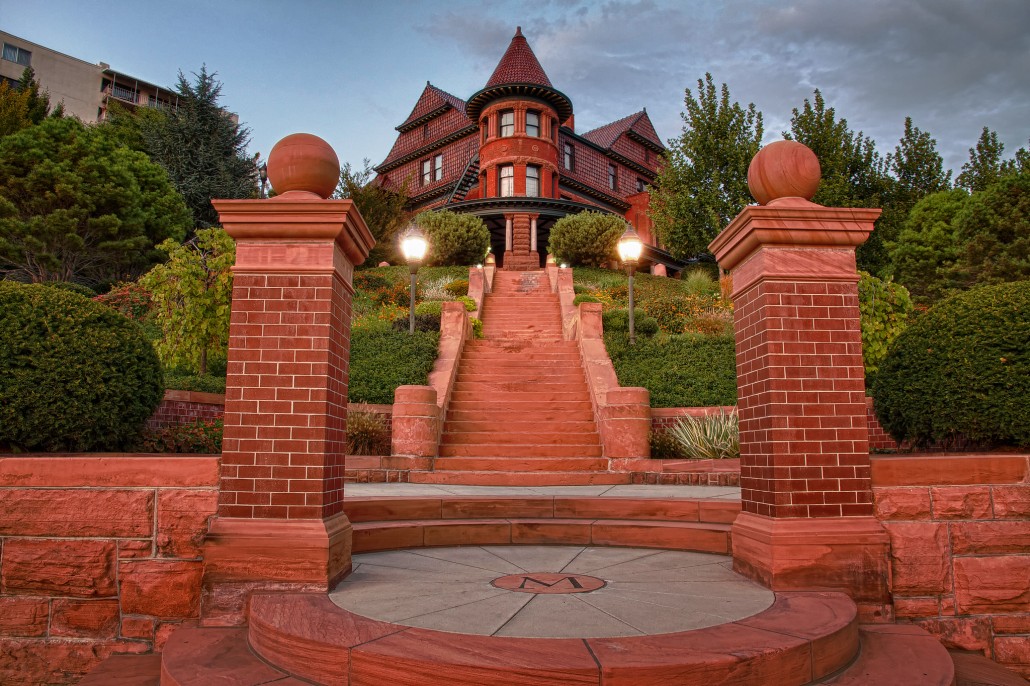
Buildings like these are landmarks, so nobody is financing them on a Tuesday. But the same principle applies to the regular house on a regular street with a story attached: the story follows the address, and the loan follows the value.
Buying one: the playbook
If you have your eye on a home with a story, here is how to protect yourself.
Ask directly. Sellers in Utah do not have to volunteer stigma, but they cannot lie when asked. Ask the question in writing: has anyone died in the home, has a crime occurred there, is there anything about the home’s history a buyer should know?
Research the address. A quick search of the address and street name can surface news stories, old listings, and public records. Ten minutes online tells you more than most sellers ever will.
Talk to the neighbors. Neighbors know the street’s stories and they are usually happy to share them. You will also learn things no disclosure ever covers, like parking, noise, and how the street actually feels at night.
Plan for the appraisal. Before you waive anything or write a big earnest check, talk through the appraisal gap scenario. If the value comes in low, what is your move? Have that plan in writing before you need it, not after.
Selling one
If you own the home with the reputation, Utah law is on your side: you are not required to volunteer the stigma. But be smart about pricing. A stigmatized home usually needs to be priced to its real market, which means pricing to what buyers will actually pay with the story attached. Trying to pretend the story does not exist just means the home sits, and a home that sits gets its own kind of stigma. Price it right, let the appraisal speak, and these homes close like any other.
The bottom line
A haunted house is a story problem, not a financing problem. Utah law does not force sellers to disclose stigma, lenders do not lend on legends, and the one real risk, a low appraisal, is manageable if you plan for it up front.
Thinking about a home in Utah, haunted or not, and want the numbers run straight? Call me at 801-638-0507. And if it is after hours, my assistant Mia answers 24/7 at 801-872-7459 and can get you on my calendar.
Kristopher Matyas, The Mortgage Rebel
NMLS #864775
Leave a Reply